
The Ultimate Digital Marketing Strategy A Complete Guide for Marketers 2025
Introduction
The Ultimate Digital Marketing Strategy A Complete Guide for Marketers In today’s fast-changing digital world, having a strong digital marketing strategy is no longer optional—it’s the engine that drives brand visibility, customer engagement, and business growth. Whether you’re an experienced marketer or just stepping into the field, understanding how to build a data-driven, customer-focused digital strategy can dramatically transform your results.
This article breaks down the essential components of a winning digital marketing strategy, backed by real examples, expert insights, and practical tips you can start using today.
What Is Digital Marketing Strategy?
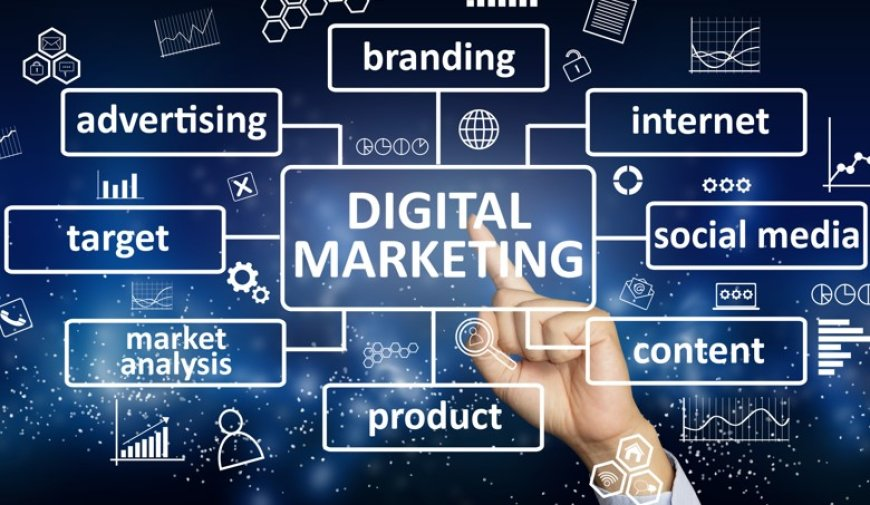
A digital marketing strategy is a long-term plan that outlines how a brand will use digital channels—such as social media, SEO, email, ads, and content—to attract, convert, and retain customers.
Instead of random posts or ads, it gives you direction, consistency, and measurable goals.
Why Digital Marketing Strategy Matters
- Helps you reach customers exactly where they spend time
- Reduces wasted budget and increases ROI
- Strengthens brand trust and online visibility
- Builds predictable, repeatable growth
A study by HubSpot showed that companies with a defined digital marketing strategy are 313% more likely to achieve strong marketing results.
Core Elements of an Effective Digital Marketing Strategy
Below are the pillars that every successful marketer should master.
1. Define Clear Goals (SMART Framework)
Your strategy must start with well-defined goals such as:
- Increase website traffic by 40% in 3 months
- Generate 500 new email leads per month
- Improve customer retention by 20%
Practical Example:
A fitness brand may set the goal: “Reach 50,000 Instagram followers and increase monthly sales by 25% through influencer partnerships.”
2. Understand Your Target Audience
Great marketing speaks to the right people.
Create buyer personas that include:
- Age, gender, location
- Interests & online behavior
- Pain points
- Motivation to buy
Case Study:
Nike uses behavioral data (purchase history, workout habits) to personalize ads and product suggestions, boosting online conversions.
3. Competitor Analysis
Study the top competitors:
- What keywords do they rank for?
- Which platforms bring them traffic?
- What kind of content performs best for them?
Tools like SEMrush, Ahrefs, and SimilarWeb can help you gather intel.
4. Choose the Right Digital Channels
You don’t need to be everywhere—just where your audience is.
The main channels include:
- Search Engine Optimization (SEO)
- Social Media Marketing
- Email Marketing
- Content Marketing (blogs, videos, guides)
- Paid Advertising (Google Ads, Meta Ads, TikTok Ads)
- Influencer Marketing
- Affiliate Marketing
Expert Opinion:
According to Neil Patel, “Marketers who master 2–3 channels often outperform those trying to do everything at once.”
5. Create High-Value Content
Content is the backbone of your digital strategy.
Types of content to invest in:
- Blog articles
- Social media posts
- Explainer videos
- Infographics
- Case studies
- Email newsletters
Example:
A marketing agency may publish a weekly “Marketing Tips Tuesday” newsletter to keep the audience informed and engaged.
6. SEO: Get Found Organically
SEO helps you rank on Google without paying for ads.
Optimize for:
- Keywords relevant to your niche
- High-quality backlinks
- Fast website loading speed
- Mobile-friendly design
- On-page SEO (titles, meta descriptions)
Case Study:
A small e-commerce store increased organic traffic by 120% in 6 months after publishing SEO-optimized guides and product reviews.
7. Paid Advertising for Faster Results
Paid ads help you reach customers instantly.
Effective ad platforms:
- Google Search Ads
- Facebook/Instagram Ads
- TikTok Ads
- YouTube Ads
Tips:
- Start with small budgets
- Test 2–3 creatives
- Use retargeting campaigns
8. Email Marketing & Automation
Email remains one of the highest ROI marketing channels (ROI: $36 for every $1 spent).
Use it for:
- Welcome sequences
- Sales funnels
- Product announcements
- Customer retention
Practical Example:
An online store uses abandoned cart emails to recover 20–30% of lost customers.
9. Analyze Data & Optimize
Use analytics tools:
- Google Analytics
- Meta Insights
- TikTok Analytics
- Mailchimp
- HubSpot
Focus on:
- Traffic sources
- Conversion rates
- Click-through rates
- Cost per acquisition (CPA)
- Return on ad spend (ROAS)
Improvement never stops—your strategy must evolve with insights.
Real-Life Case Study: How a Small Brand Grew 400%
A clothing brand used a simple digital strategy:
- SEO-focused blog posts
- TikTok influencer videos
- Email automation
- Retargeting ads
Result?
- 400% increase in online sales
- 200,000 new followers
- 30,000 new email subscribers
The strategy worked because they focused on consistent content + data-driven decisions.
Conclusion: Build Your Strategy, Start Today
A digital marketing strategy is not just planning—it’s taking consistent, targeted actions that move your business forward. Whether you’re building a brand from scratch or scaling an existing business, the key is to:
- Set clear goals
- Know your audience
- Create valuable content
- Use the right channels
- Analyze and improve